Generation-H: How We Co-Created Healthy Living Solutions with Urban Adolescents in Kenya
- Research
By Magdaline Kusuna, Sylvester Orao, Joan Kinuthia, Grace Kyule, Sharon Mugo, Gideon Amevinya, Michelle Holdsworth & Peter Otieno
If you spend time in Nairobi today, compared to some years ago, you’ll notice how the rhythm of a young person’s life has shifted. The city grows busier each year. Food is quicker, cheaper, heavily marketed, and often highly processed. Many teenagers pass kiosks selling fried snacks every morning on their way to school, and by evening they may have spent more of their waling hours sitting than moving. Screens glow where footballs once rolled. Sodas cost less than a plate of fruit. Streets have replaced open fields with buildings and traffic. In this environment, the simple act of staying healthy has become more complicated than many of us realise.
It is within this reality that the African Population and Health Research Center (APHRC) rooted the Generation-H Project. Not as a top-down public health solution, but as an invitation for adolescents, caregivers, teachers, and community actors to come together and imagine something new. We knew we could not design a programme for teenagers without hearing their voices. If their environments were changing, then they needed to be the ones helping to redesign them.
A Co-Design Approach Grounded in Shared Experience
Our first step was understanding the problem and exploring what intervention will work, how and under what condition. We reviewed research from across the continent, then turned to Nairobi itself conducting interviews, hosting conversations, and gathering lived experiences. Teenagers told us some of the challenges to them eating healthy foods, what make them eat unhealthy foods, where they bought food, what they wished they could afford, and how their days moved between schoolwork, screens and social life. Parents spoke of convenience and cost. Teachers shared their observations. Vendors explained demand. Health professionals described emerging trends in adolescent nutrition and inactivity.
From these stories, three clear needs surfaced. Young people wanted the necessary knowledge and skills which they could apply in real life that will inform healthy eating behaviour and increase their physical activity levels. They also needed an enabling environment that made healthy choices visible and affordable. And they needed opportunities for movement: not theoretical fitness ideals, but actual spaces, equipment and allotted time/sessions that allowed them to be active.
To explore these needs together, we formed the Intervention Development Group (IDG) a vibrant blend of adolescents from Buruburu and Kibra, policy officials, community and faith representatives, NGO partners, medical practitioners, teachers and food vendors. In this room, experience met evidence. Authority met youth perspective. It was messy in the best possible way, because collaboration always is.
How We Co-Created the Intervention: Four Workshops, One Shared Goal
The journey unfolded across four co-design workshops each one building on the last, each one drawing us deeper into shared imagination. At every step, adolescents remained central. They didn’t just respond, they shaped, critiqued, argued, dreamed, decided. Together, we built a potential intervention that felt alive.
Workshop 1-Setting Priorities Together
Our first gathering felt like opening a gateway. We introduced what the Generation-H project hoped to achieve, but more importantly, we asked: which health behaviours mattered most to adolescents themselves?
Using research evidence as a starting point, the group identified diet and activity behaviours that could make the greatest difference if strengthened. The conversation was passionate, sometimes intense. Young people challenged adults on what was practical; adults challenged the group on sustainability. In the end, we agreed on priority behaviours that felt both ambitious and attainable. It was the moment when ownership shifted not “our” intervention for them, but their intervention with us beside them. The stakeholders reached a consensus to focus on encouraging adolescents to consume more fruits and vegetables, and to drink more water. Regarding physical activity, they also agreed on supporting adolescents to increase their activity levels by engaging in at least 60 minutes of moderate- to vigorous-intensity physical activity each day.
Workshop 2-Building the Education Component
The second workshop was buzzing even before we settled. Adolescents did not want health to feel like a lecture. They wanted to touch, taste, try, move. They wanted relatable conversations, cooking sessions, sports challenges, and visual materials that sparked curiosity rather than fatigue. Traditional classroom delivery alone would not be enough they asked for peer-led clubs, school forums, community interactions, and youth-friendly messaging through posters, talking walls, videos and creative demonstrations.
Adults nodded, sometimes surprised, sometimes amused, but always listening. By the end, education no longer looked like chalk and desks. It looked like skill, movement, dialogue. It looked like teenagers teaching teenagers, learning through experience rather than instruction.
Workshop 3-Creating Supportive Food & Activity Environments
Knowledge alone cannot shift behaviour when the environment works against it. That truth became louder in the third workshop. Many teenagers live within walking distance of five vendors selling crisps and mandazi, but few who offer fruit. Many schools have water taps, but not always water. Some playgrounds have balls, but no nets; others have nets, but no balls.
So, we imagined new landscapes together. We pictured fruit displays colourful enough to draw attention. Safe drinking water available and visible. Vendors supported to sell healthier foods without losing income. Parents informed, teachers empowered, administrators engaged. We also envisioned spaces where movement could thrive fields with skipping ropes and balls, indoor corners with table-tennis tables, and activity sessions where girls and boys were equally encouraged to play. Health became something you could see, reach for, and participate in.
Workshop 4-Prototyping and Final Refinement
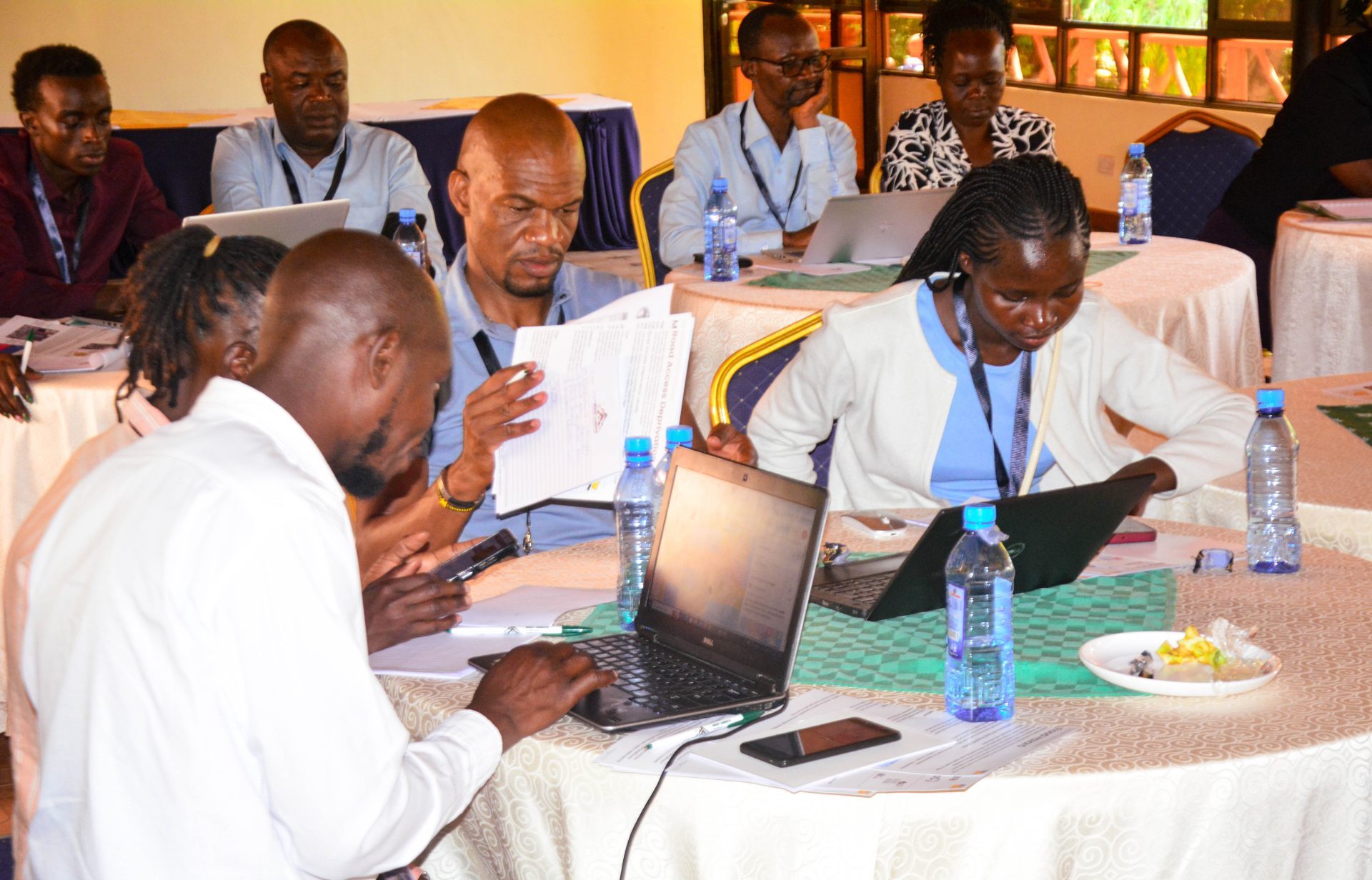
By the time we reached the fourth workshop, ideas had grown roots. We assembled everything education, environment, equipment, delivery structures and built a draft design for each of the intervention components. The room became a testing ground. Stakeholders examined the model, questioned feasibility, tweaked details, proposed improvements. We revised and rethought, then revised again. Slowly a final shape emerged.
We closed with something deeper than a finished design: we closed with shared identity. We named and branded the intervention with input from the very people who would live it. The project no longer floated as theory it belonged to a community.
What We Learned
Looking back, co-production changed more than the intervention it changed how we see adolescence, health, and collaboration. Young people do not need programmes handed to them; they need platforms to lead. Adults do not need to guard decisions; they need to hold space for shared wisdom. When research meets lived reality and when partnership replaces prescription, solutions become resilient.
Generation-H is not just a health programme. It is collective creativity in motion. It is adolescents shaping the environments that shape them. It is parents and vendors and policymakers building alongside them. It is a reminder that when we design with communities instead of for them, we plant habits with roots deep enough to grow.
And perhaps the most powerful truth is this once a teenager helps create the solution, the solution becomes part of who they are.