Can Teaching Change the STEM Gender Gap in African Universities?
- Education and Youth Empowerment(EYE), Human Development
Across Africa, more young women are enrolling in universities than ever before. Yet when it comes to science, technology, engineering, and mathematics (STEM), a stubborn gender gap remains. Women are still significantly underrepresented in these fields—not because of a lack of ability, but often because of how STEM is taught, supported, and experienced within higher education institutions.
Evidence increasingly shows that classroom experience matters. How students are taught, how included they feel, and whether they see themselves reflected in STEM spaces can shape not only what they study, but whether they persist and succeed.
Why teaching strategies matter
Globally, women’s enrolment in STEM programmes lags behind that of men, and the gap is particularly visible in many parts of sub-Saharan Africa. Research suggests that teaching and learning practices play a powerful role in shaping students’ motivation, confidence, and sense of belonging, especially for female students navigating male-dominated academic spaces.
Gender-responsive teaching goes beyond simply increasing access. It involves intentional classroom practices that ensure both women and men are equally engaged, supported, and encouraged to participate. When paired with innovative instructional approaches such as problem-based learning, mentoring, and digital learning, these strategies can help transform STEM classrooms into more inclusive and motivating spaces.
Listening to the system: what stakeholders say
Insights from stakeholder engagements across Africa’s higher education ecosystem including universities, regional bodies, and education networks, paint a clear picture: institutions are making progress, but more can be done.
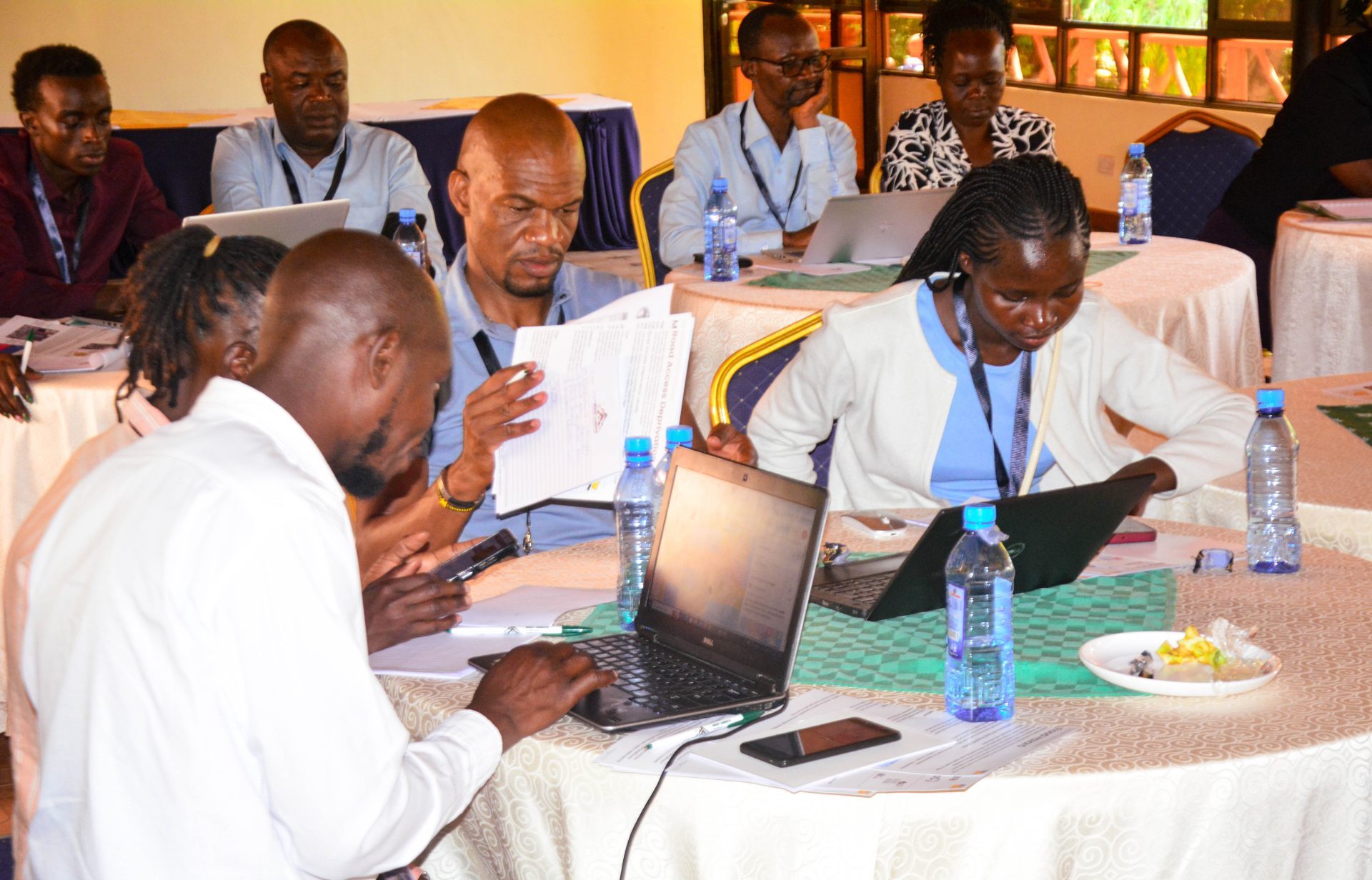
Participants consistently highlighted simple yet powerful practices that make a difference in STEM classrooms. These include providing equal opportunities for male and female students to participate, asking questions across genders, mixing students in group work, ensuring shared access to equipment during practicals, and encouraging women to take on leadership roles, such as class representatives.
While these strategies may seem basic, their impact is far-reaching. They send a clear message: everyone belongs in STEM.
The power of peer mentoring and role models
Beyond the classroom, peer tutoring and mentoring have emerged as among the most effective ways to support women in STEM. For many female students, especially those from underrepresented backgrounds, navigating university life can be isolating. Peer mentoring helps bridge that gap, academically, socially, and emotionally.
When mentors and mentees share similar identities, such as gender or cultural background, the benefits can be even greater. These relationships foster comfort, confidence, and a sense of belonging, while also offering visible role models who challenge stereotypes about who can succeed in STEM.
Well-structured mentoring programmes have been shown to improve course completion and graduation rates, while also helping students manage learning challenges and self-doubt. For universities, embedding peer mentoring into STEM curricula is a practical and cost-effective way to support retention and success.
Learning by solving real problems
Another strategy gaining traction is problem- and inquiry-based learning. Rather than relying solely on lectures, this approach encourages students to engage with real-world challenges, design solutions, experiment, and think like scientists.
Studies show that many female students are particularly motivated when STEM learning is connected to solving practical problems in their communities. Science fairs, hands-on projects, and applied research experiences allow students to see the relevance of STEM beyond the classroom, while building confidence and creativity.
These experiences help students, especially women, see themselves as capable problem-solvers and innovators, rather than merely as learners of abstract concepts.
Flexibility through blended and digital learning
Blended learning and e-learning are also transforming women’s experiences of STEM education. Online and hybrid models offer flexibility that is especially valuable for students balancing studies with caregiving or work responsibilities.
Stakeholders noted that during the COVID-19 pandemic, online tutorials and virtual science fairs opened new opportunities for participation and collaboration. Digital tools, from learning platforms to social media and messaging apps, also helped create academic and emotional support networks for female students.
For many institutions, investing in digital infrastructure is no longer optional. It is a critical step toward making STEM education more inclusive, accessible, and resilient.
What this means for policy and practice
Encouraging more women to enter STEM is not merely an educational issue. It has economic, social, and technological implications. Inclusive teaching strategies can strengthen innovation, expand leadership pipelines, and contribute to long-term development goals.
To make lasting progress, higher education institutions and policymakers must:
- Strengthen gender-responsive teaching and assessment practices
- Invest in mentoring and role-model programmes from early education onward
- Promote problem-based and experiential STEM learning
- Expand access to blended and digital learning
The evidence is clear: how we teach matters. By rethinking STEM pedagogy, African universities can unlock the full potential of women and, in doing so, build more inclusive and innovative futures.