How leftover samples could transform Healthcare and Research in Kenya and Uganda
- Policy Engagement and Communications
Kenya and Uganda have the opportunity to lead African biomedical discovery by making use of biological samples typically discarded from everyday medical procedures
An opportunity in routine healthcare
What if the blood sample taken at your last hospital visit held the key to curing cancer, decoding rare diseases, or tailoring medication to your unique biology? This is the promise of “Biobanking”. Across Kenya and Uganda, hospitals, clinics, and laboratories are beginning to see what was once discarded as clinical waste as a goldmine for scientific discovery and personalized medicine.
Each day, thousands of biological samples such as blood, tissue biopsies, saliva, urine, and others are collected during routine healthcare procedures across the region. Most of these are only partially used, with the remnants discarded as clinical waste. Yet within these leftovers lies enormous potential, the chance to accelerate breakthroughs in genomics, precision medicine, and disease surveillance through biobanking.
Biobanking is the systematic collection, storage, and use of biological specimens such as blood, tissue biopsies, saliva, and urine, along with their associated data demographic, clinical, and analytical information, to support future scientific research and medical advancement.
Globally, researchers have realized the immense value of what was once overlooked could be one of the most valuable assets in health research. This shift is fuelling a movement to transform leftover clinical waste into one of health’s most valuable research assets.
Kenya and Uganda are now bringing this vision into reality by re-imagining routine healthcare as a platform for innovation. This means leveraging everyday patient interactions not only for treatment, but also as entry points for generating new knowledge, improving diagnostics, and strengthening preventive care. By integrating data collection, biobanking, and modern laboratory technologies into regular health services, we are closing the gap between patient care and research. This approach enables cutting-edge advancements such as genomic studies, precision medicine, and digital health solutions while fostering world-class research that meets global standards and addresses the unique health challenges of our region.
What Is Biobanking and Why Does It Matter?
According to the International Organization for Standardization, a biobank is “a legal entity performing the process of acquisition and storage, together with some or all activities related to the collection, preparation, preservation, testing, analyzing and distributing defined biological material and associated data.”
Globally, biobanks have enabled:
- Early detection of cancer biomarkers.
- Large-scale genome-wide association studies (GWAS).
- Development of Personalized therapies for different genetic populations.
Despite Africa’s unmatched genetic diversity, the continent remains underrepresented in global biobanking efforts. With hospital-based biobanking initiatives now emerging in Kenya and Uganda, routine healthcare is being reevaluated as a foundation for advanced research, enabling cutting-edge studies such as genomics, precision medicine, and biomarker discovery. These developments are not just timely but are revolutionary, transforming everyday clinical encounters into engines of change and data justice for the continent.
The Local Landscape: What the Kenya-Uganda Assessment Found
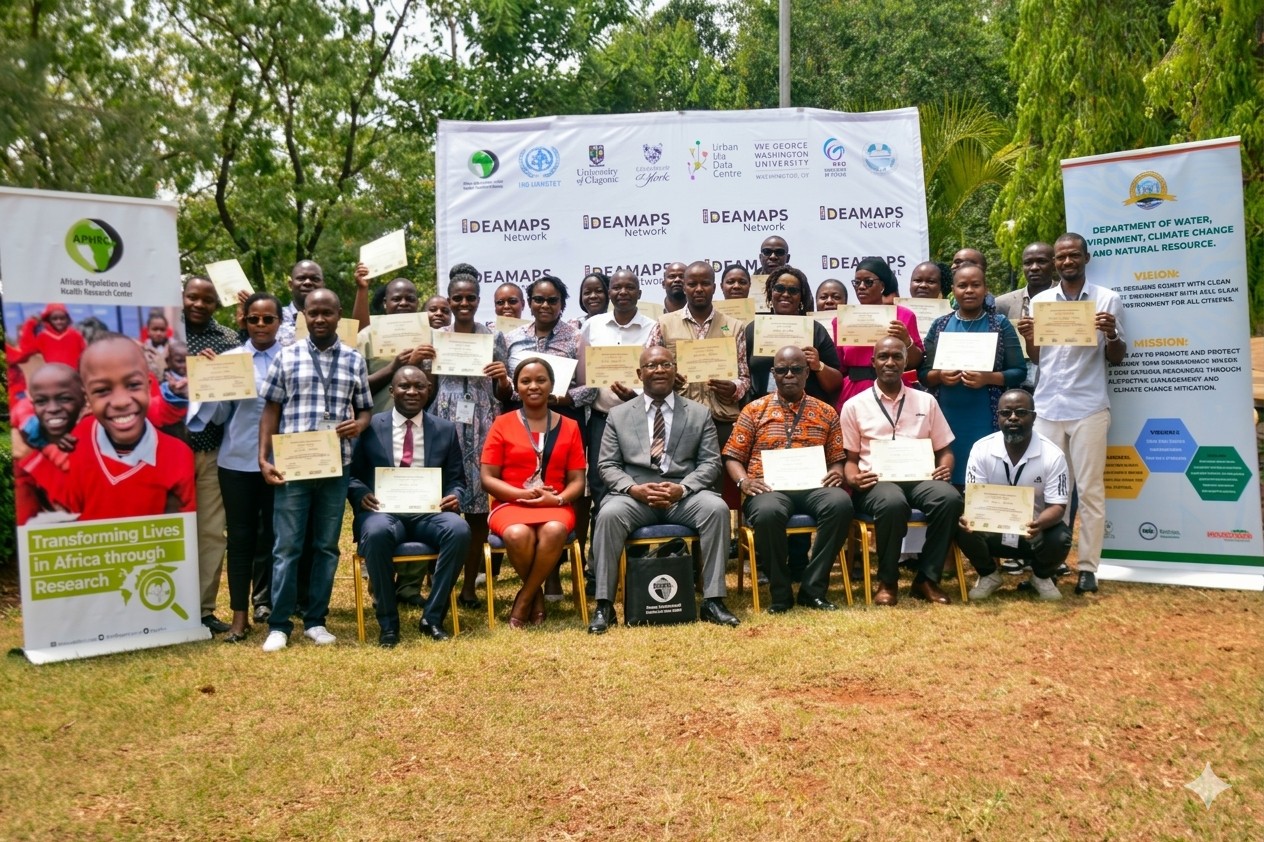
Between 2024 and 2025, a collaborative study led by the African Population and Health Research Center (APHRC) and its partners, the Africa Centre for Applied Digital Health (CADH) and the National Council of Churches of Kenya (NCCK) set out to answer a bold question: Are healthcare facilities in Kenya and Uganda ready to establish biobanks of leftover samples?
The findings were eye-opening:
- 79% of participants were comfortable with the storage of leftover samples, despite limited prior awareness of biobanking.
- 89.8% expressed willingness to give consent for their leftover samples to be stored for research.
- Many facilities, especially those run by faith-based organizations, already have strong digital health records, diagnostic capacity, and high community trust, making them ideal study points for biobank pilots.
“The assessment reveals a promising landscape for initiating biobanks using leftover clinical samples… however, targeted investments are needed in cold storage, digital systems, training, and standardization of protocols.”
Biobanking Technical Report, 2025.
Why Leftover Samples? A Strategic, Ethical, and Scientific Advantage
In contrast to traditional population-based biobanks, the model proposed in this study relies on residual clinical samples- that is, material collected as part of routine care, which would otherwise be discarded. This Approach:
- Reduces recruitment and sample collection costs
- Increases diversity in stored specimens
- Promotes equity as diverse, real-world populations are represented in the research
- Minimizes participant burden while ensuring ethical use through consent
- Enables longitudinal research when linked to digital health records
Examples such as the eMERGE Network in the USA and the Copenhagen Hospital Biobank in Denmark demonstrate how leftover samples can be ethically and effectively repurposed for discovery
Why It’s Revolutionary for Africa
- Correcting Data Injustice
According to Fatumo et al., Africa contributes less than 3% of the genomic data used to train global AI health models, despite being home to the world’s greatest human genetic diversity, as emphasized by Gurdasani and colleagues. - Enabling Homegrown Precision Medicine
Rotimi and Adeyemo argue that drugs and diagnostics developed based on European or North American genomes often underperform in African populations, underscoring the need for region-specific data. - Meeting Global Regulatory Shifts
Regulators like the U.S. FDA are pushing for greater diversity in clinical trials, raising the demand for African biospecimens. - Unlocking Non-Communicable Diseases and Infectious Disease Research
With the rise of cardiovascular disease, cancer, and diabetes alongside endemic infections, biobanks can power multi-omics studies (microbiome, metabolome, transcriptome) that reveal disease mechanisms unique to African populations.
Investment and Partnership are Key
The readiness is there. But to scale-up hospital-based biobanks, key investments are needed:
- Cold-chain storage, digital temperature monitoring systems, and power backup systems
- Digital Laboratory Information Management Systems (LIMS)
- Training for bioethics, legal, and laboratory staff
- Sustainable financing models, including public-private partnerships and donor funding
“Biobanking could be Africa’s most powerful tool for equitable, locally led research–if supported with the right investments and governance.”
Africa can Lead, if Africa Banks on itself
Biobanking is not just a scientific or health initiative. It’s a matter of data justice, medical sovereignty, and innovation equity. Kenya and Uganda’s effort to build biobanks from leftover samples is as much about cost-effectiveness as it is, or even more about visionary thinking. If supported, hospital-based biobanks using leftover samples could become Africa’s most powerful tool for equitable, homegrown scientific advancement.