Strengthening Research to End Child Marriage and Sexual Violence in West and Central Africa
- Policy Engagement and Communications
What does it take to move from concern to action on child marriage and sexual violence in West and Central Africa?
Not just more discussions. Better evidence, stronger research, and clearer pathways from data to decision-making.
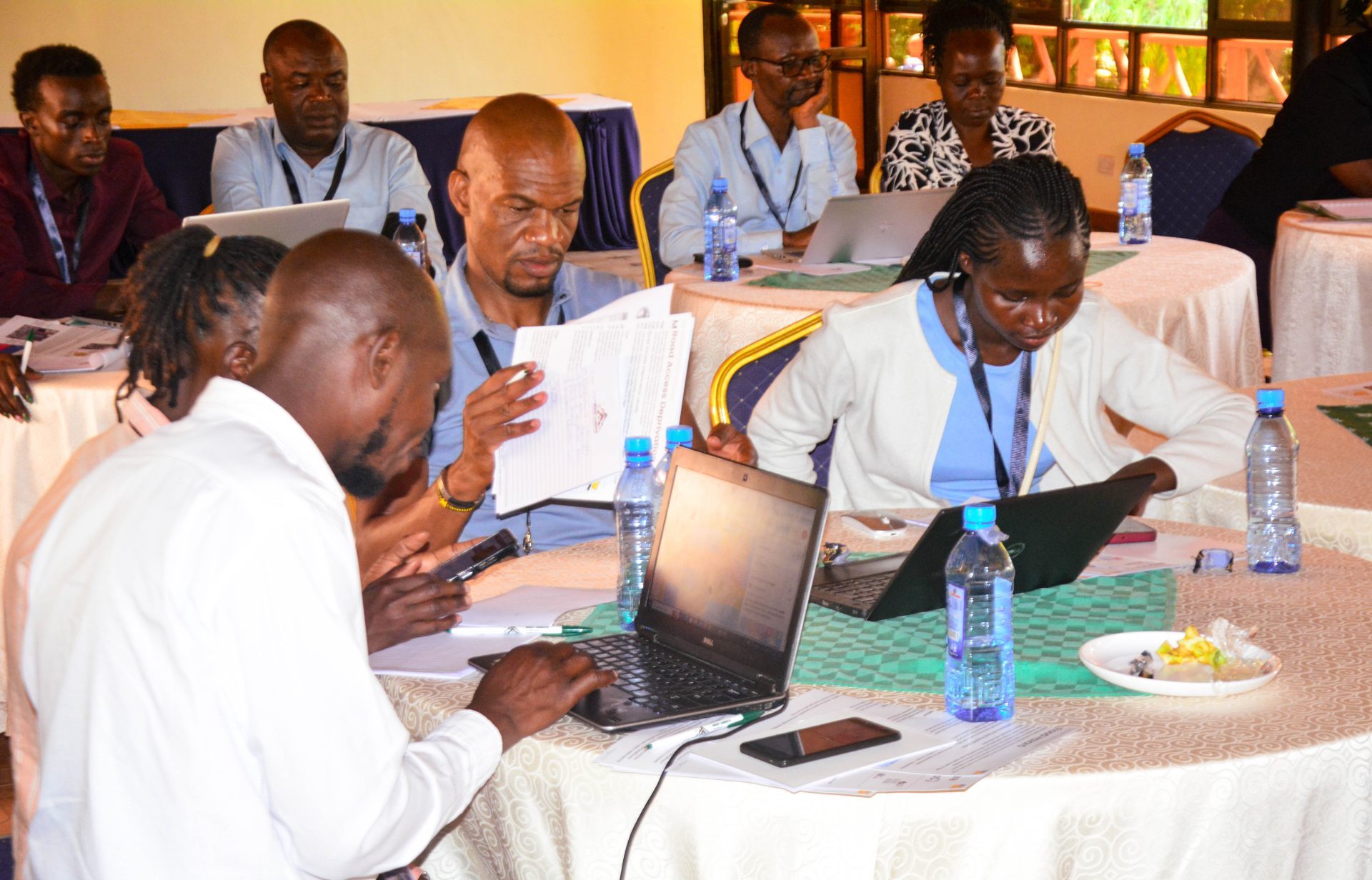
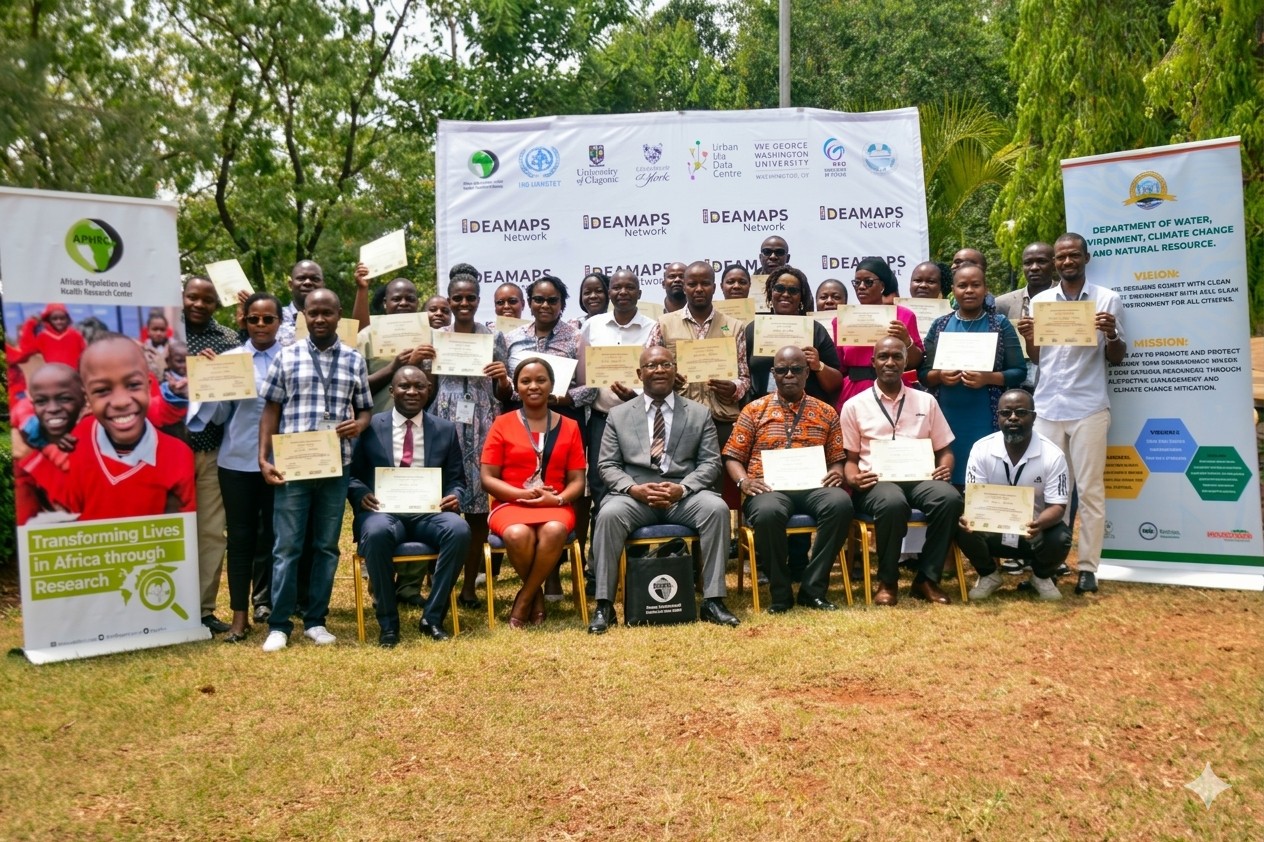
This was the driving ambition behind the Regional Special Issue Author Workshop on Child Marriage and Sexual Violence, hosted by APHRC WARO in collaboration with the Union for African Population Studies (UAPS) and PHERI. Bringing together researchers, policymakers, civil society actors, and regional institutions from across West and Central Africa, the workshop was designed not as a traditional conference but as a working space to strengthen the production of policy-relevant evidence that can influence real change for girls.
Why this Workshop Matters
Child marriage and sexual violence continue to affect millions of girls across the region, with long-term consequences for health, education, protection, and economic opportunities. Yet despite growing awareness, critical evidence gaps still limit governments’ and partners’ ability to design targeted, effective, and scalable responses.
The workshop responded directly to this challenge by supporting researchers to transform ongoing studies into stronger scientific papers for publication in the Journal of African Population Studies (JAPS) Special Issue, while aligning research priorities with the realities faced by policymakers and practitioners.
From Research Production to Policy Relevance
Throughout the workshop, participants worked intensively to strengthen manuscript quality, improve methodological rigor, refine data analysis, and sharpen policy relevance. High-level discussions featuring contributions from UNFPA, WAHO, ECOWAS, Senegal’s Directorate of Maternal and Child Health (DSME), and the Directorate of Family highlighted a common concern: the region does not only need more data, but it also needs evidence that can directly inform policies, resource allocation, prevention strategies, and service delivery.
At the same time, exchanges with organizations such as Girls Not Brides, Plan International, and FAWE grounded the discussions in implementation realities and community experiences.
A key Outcome: Building a Regional Evidence Agenda
One of the workshop’s strongest outcomes was the collective identification of priority evidence gaps and the development of a shared regional research agenda.
Participants emphasized the need for:
- More context-specific evidence
- Stronger multi-country collaboration
- Better integration between research, policy, and programming
- Faster translation of findings into action
Beyond publication, the workshop established a structured mentorship and follow-up process to support authors through manuscript finalization, peer review, dissemination, and policy engagement.
The Real Challenge Starts Now
The success of this workshop will ultimately be measured by neither the number of presentations delivered nor the number of papers submitted. It will depend on whether the evidence produced helps governments, regional institutions, and development partners make better decisions for girls.